
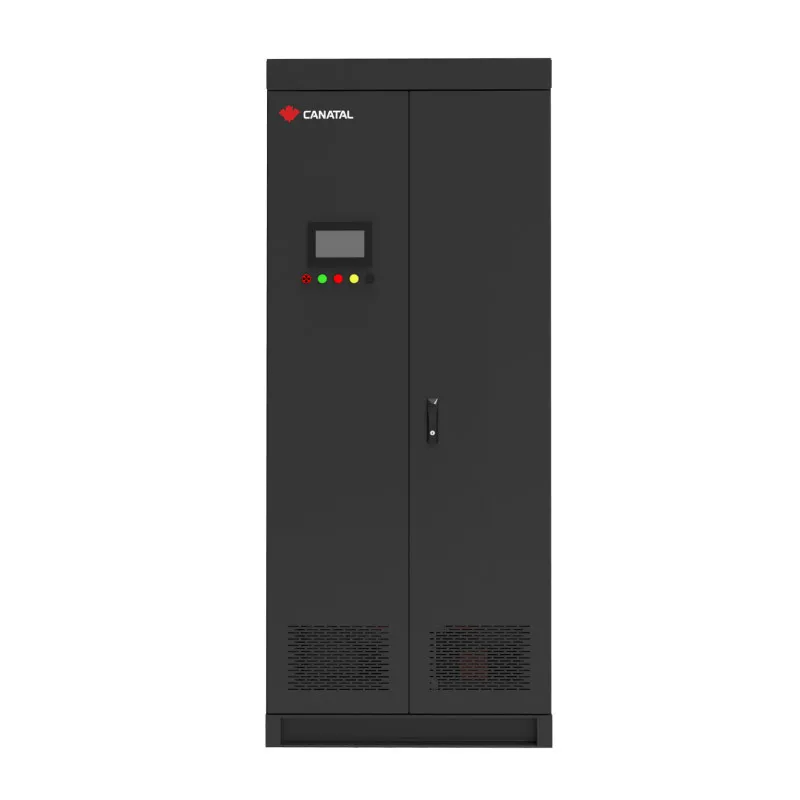
Cold plate liquid cooling
In modern data center operations, as the power consumption per server increases, traditional air-cooled data centers can no longer meet the pursuit of higher performance and lower energy consumption. Liquid cooling technology, with its advantages of low PUE (cold plate liquid cooling technology PUE as low as 1.25 or less, immersion liquid cooling technology PUE as low as 1.10 or less, energy saving 20%-30% or more), high-density deployment (solving air-cooling heat dissipation bottlenecks, reducing land occupation and construction costs), safer and more reliable server operation (CPU and other key components temperature as low as 65℃ or less), and year-round and all-region applicability, is widely considered the most effective green and efficient cooling technology.
Application Scenarios
CPU-based and GPU-based supercomputers with high temperature control accuracy;
Heterogeneous computing supercomputing scenarios;
High-power density data centers
Features and Value
Energy-saving and efficient
The volumetric specific heat capacity of liquid is 1000-3500 times that of air, and the thermal conductivity of liquid is 20-30 times that of air. Under the same spatial conditions, liquid cooling's cooling capacity is far superior to air, which can meet the heat dissipation requirements of high-power density cabinets.
Safe and reliable
All liquid cooling components adopt hot-swappable design, achieving self-sealing and no leakage. Internally equipped with a leak detection and protection mechanism, it can promptly alarm and take emergency response measures in case of an accident;
High compatibility
The cooling medium does not directly contact the chips and other components inside the server, requiring low material compatibility, and can be relatively easily compatible with computing devices from different manufacturers and models;
Environmentally friendly
Reduces server fan speed, significantly lowering data center noise to below 60dB, improving work environment comfort;